Experiencing a break-in can be a deeply unsettling event, leaving you feeling vulnerable and anxious. The impact of such an intrusion extends beyond the physical loss of property, often causing significant emotional distress. In these moments, it’s crucial to act swiftly, not only to restore security to your home but also to regain your peace of mind.
The first hours following a break-in are critical. By taking prompt and decisive action, you can prevent further loss and begin the process of restoring your sense of safety. This guide will walk you through the essential steps to secure your home quickly and effectively after a break-in.
Immediate Actions
The first step after discovering a break-in is to contact the police immediately. It’s essential not to disturb the crime scene before they arrive, as this could compromise valuable evidence. Provide them with all necessary details, and take note of any items that are missing or damaged, which will be important for both the police report and insurance claims.
Once the police have finished their investigation, you should begin documenting the damages. Take photos of any broken locks, windows, or doors, and list any stolen items. This documentation will be useful when filing an insurance claim and when assessing what needs to be repaired or replaced to secure your home.

Securing the Property
After the police have cleared the scene, your immediate priority should be securing any broken entry points. Replace broken locks and windows as soon as possible, even if only temporarily, to prevent further unauthorised access. Installing additional locks or temporary alarms can provide an immediate sense of security until more permanent measures are in place.
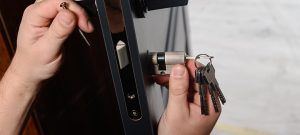
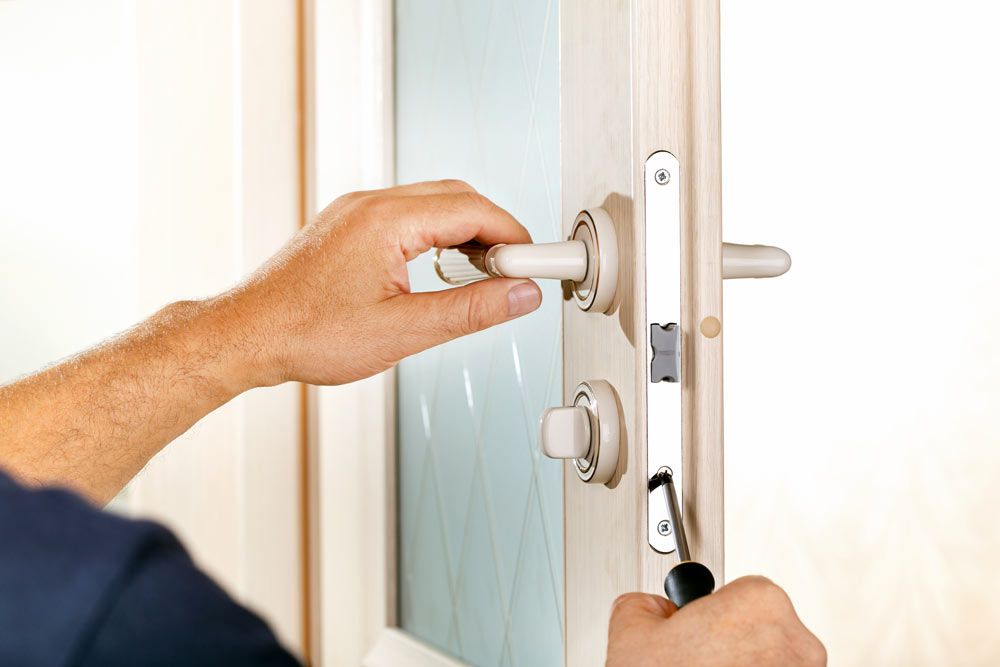
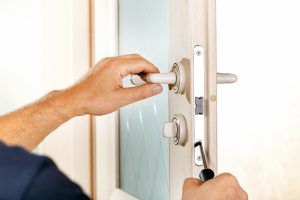
Engaging a professional locksmith at this stage can be highly beneficial. They can perform a thorough audit of your home’s security and recommend upgrades or improvements that will better protect against future break-ins. A locksmith can also reinforce vulnerable areas, ensuring your home is as secure as possible in the short term.
Assessing Long-Term Security
Once the immediate repairs are made, it’s time to think about long-term security improvements. Upgrading to high-security locks and anti-snap cylinders is a wise investment, as these are designed to resist forced entry methods commonly used by burglars. Additionally, consider installing security cameras and motion-sensor lighting, which serve as both a deterrent and a way to monitor your property.
A home security system can offer comprehensive protection, integrating alarms, cameras, and remote monitoring into one system.
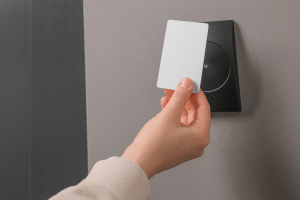
Smart locks are another option, providing keyless entry and enhanced control over who can access your home. Evaluating these options will help you decide on the best long-term solutions to secure your property.
Reinforcing Entry Points
Strengthening your home’s entry points is vital to preventing future break-ins. Start by securing all external doors with deadbolts and reinforcing door frames with metal plates or additional hardware. This makes it much harder for burglars to force their way in, giving you extra peace of mind.
Windows are another common point of entry for burglars, so consider adding security bars or grilles to those that are particularly vulnerable.
Installing a peephole or a smart doorbell can also be an effective measure, allowing you to see who is at your door before opening it, and providing another layer of security.
Community and Neighbourhood Watch
Informing your neighbours about the break-in is not just a courtesy; it also helps to increase vigilance in the area. A neighbourhood that is aware of recent criminal activity is more likely to take precautions and report suspicious behaviour, which can prevent further incidents.
Joining or starting a neighbourhood watch programme can be a proactive way to improve community security. By working together and sharing tips on home security, you can create a safer environment for everyone. Neighbours looking out for each other is one of the most effective ways to deter crime.
Psychological Aftercare
The emotional toll of a break-in can be significant, leaving you feeling unsafe in your own home. It’s important to acknowledge these feelings and take steps to address them. Talking to friends, family, or a counsellor can help you process the experience and begin to rebuild your sense of security.
If anxiety persists, seeking professional counselling can be beneficial. Re-establishing a routine and gradually restoring normalcy in your life are key steps towards recovering from the trauma of a break-in. Remember that it’s normal to feel shaken, but taking active steps to secure your home will help you regain control and confidence.
Conclusion
In the aftermath of a break-in, quick and decisive action is essential to restore both your home’s security and your peace of mind. From securing broken entry points to upgrading long-term security measures, each step you take brings you closer to feeling safe once more.
Don’t wait until it’s too late to secure your home. Consider reaching out to a professional locksmith for a security consultation and take proactive steps to protect your property and loved ones. By doing so, you can prevent future break-ins and regain your sense of safety.