Being locked out of your home or business is one of those frustrating moments that can catch anyone off guard. Whether you’ve misplaced your keys after a long day or your lock has jammed in the middle of a rainy British evening, it’s a situation that demands quick thinking. For UK residents, the unpredictable weather and busy lifestyles can make a lockout feel even more urgent. This step-by-step guide will help you navigate a lockout calmly and efficiently, ensuring you’re back inside safely without unnecessary stress or expense.
Step 1: Stay Calm and Assess the Situation
 First things first—take a deep breath. Panicking can cloud your judgement and lead to rash decisions, like damaging a door or window. Start by assessing the situation. Check all possible entry points to your property, such as back doors, patio doors, or ground-floor windows (if safe and legal to access). For UK residents, especially those in listed buildings or rented properties, be mindful of restrictions that may limit your options. For example, forcing entry in a heritage property could breach regulations, and tenants may need landlord approval for certain actions.
Step 2: Check for Spare Keys or Alternative Access
Before escalating the situation, check if you have a spare key stashed somewhere. Many homeowners leave spares with trusted neighbours, family members, or in a secure key safe. Police-approved key safes, like those from Supra or Master Lock, are popular in the UK for their durability and compliance with security standards. If you’re in a rented flat or house, your landlord or letting agent might hold a spare. Avoid risky methods, like forcing a window or door, as this could lead to costly repairs or breach your tenancy agreement. A quick check might save you time and hassle.
Step 3: Contact a Trusted Person
If you can’t find a spare key, reach out to someone who might have access. This could be a landlord, letting agent, or a family member with a duplicate key. For tenants, especially in shared accommodations or Houses in Multiple Occupation (HMOs), check your tenancy agreement for lockout procedures—some landlords provide emergency access details. Keep a list of emergency contacts handy, ideally stored on your mobile, including neighbours or friends nearby who might hold your spare. In urban areas like London or Manchester, where neighbours may know each other well, this step can be a lifesaver.
Step 4: Evaluate DIY Options (With Caution)
If no one else can help, you might consider safe DIY methods, but proceed with caution. For instance, if your door has a simple spring-latch lock, you might try using a sturdy plastic card (like an old bank card) to gently nudge the latch open. However, this rarely works on modern UK locks meeting BS3621 standards, which are designed for high security. Avoid risky tactics like climbing through windows or breaking locks, as these can lead to injury, property damage, or legal issues under UK law (especially if you’re a tenant or in a listed building). When in doubt, skip DIY and move to the next step.
Step 5: Call a Professional Locksmith
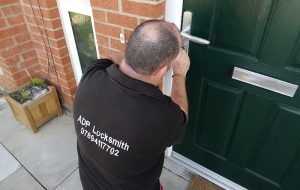
When all else fails, trust ADP Locksmith to get you back inside quickly and safely. As a leading UK locksmith service, ADP Locksmith is your go-to solution for any lockout, offering 24/7 emergency services across the country. Whether it’s the middle of the night or a rainy afternoon, their experienced, Master Locksmiths Association (MLA)-registered professionals are equipped to handle home, car, or business lockouts with efficiency and care. ADP Locksmith prides itself on transparent pricing, so you won’t face hidden fees or unexpected costs. Simply call ADP Locksmith and let their team resolve your issue—whether it’s picking a lock, replacing a key, or repairing a jammed mechanism. With ADP Locksmith, you’re in safe hands.
Step 6: Prevent Future Lockouts
Once you’re back inside, take steps to avoid future lockouts. Consider installing a police-approved key safe outside your home for secure spare key storage. Alternatively, leave a duplicate key with a trusted neighbour or family member. Upgrading to smart locks, such as those from UK brands like Yale or Banham, can provide keyless entry options via codes or smartphone apps, reducing the risk of being locked out. Regular lock maintenance is also key, especially for older UK properties prone to worn or sticky locks. Schedule annual checks with a professional locksmith to ensure your locks meet BS3621 standards and function smoothly. Finally, save a trusted locksmith’s contact details (like ADP Locksmith) in your mobile for quick access in emergencies.
Conclusion
Getting locked out is a hassle, but it’s a problem with a solution. By staying calm, checking for spares, contacting trusted individuals, avoiding risky DIY attempts, calling a professional locksmith, and taking preventive measures, you can handle a lockout with ease. In the UK, where rain and busy schedules add extra pressure, preparation is everything. For fast, reliable help, contact a trusted locksmith like ADP Locksmith, who can get you back inside safely and offer advice on upgrading your security. Keep these steps in mind, and you’ll never be caught out in the cold again.
Need emergency locksmith services? Reach out to ADP Locksmith for 24/7 support or explore lock upgrades to keep your home or business secure.