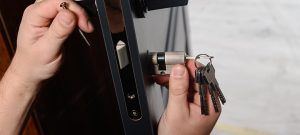

Traditional locks have been a cornerstone of home security for centuries, offering a reliable means to protect our properties from unauthorised access. However, these locks are not without their limitations.
They rely heavily on physical keys, which can be easily lost, duplicated, or stolen. Additionally, traditional locks provide no means of monitoring who is entering and leaving your home, nor do they offer the convenience of remote access.
In contrast, smart locks represent a significant advancement in security technology. These modern devices eliminate many of the shortcomings associated with traditional locks by leveraging digital technology.
Smart locks provide keyless entry, remote access, and real-time monitoring, making them an increasingly popular choice for homeowners seeking enhanced security and convenience. As technology continues to evolve, smart locks are becoming more accessible and affordable, making it an opportune time to consider upgrading your home security system.
Definition and Basic Functionality
Smart locks are electronic locks that allow you to secure and unlock your door without using a traditional physical key. They can be controlled remotely via smartphone apps, keypads, biometric sensors, or even voice commands through home automation systems.
Smart locks often use technologies like Bluetooth, Wi-Fi, or Z-Wave to communicate with other devices, enabling seamless integration with your home’s existing security and automation systems.
The basic functionality of a smart lock involves replacing or augmenting your existing lock mechanism with one that can be operated electronically.
For example, when you approach your front door with your smartphone, the lock may automatically detect your presence and unlock the door using Bluetooth technology.
Alternatively, you can unlock the door by entering a PIN code on a keypad or using your fingerprint with a biometric sensor. These various methods provide flexibility and convenience, allowing you to choose the most suitable option for your needs.

Features of Smart Locks
One of the standout features of smart locks is keyless entry. This can be achieved through multiple methods, such as PIN codes, biometric authentication (like fingerprint scanning), or using a smartphone app.
Keyless entry eliminates the need for physical keys, reducing the risk of lost or stolen keys and enhancing overall security. Additionally, smart locks can be programmed to issue temporary access codes for guests, service providers, or other visitors, which can be easily revoked when no longer needed.
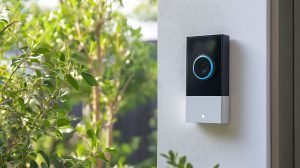
Another significant feature is the integration with home automation systems. Smart locks can work in tandem with other smart devices in your home, such as security cameras, alarm systems, and lighting controls.
This integration allows you to create comprehensive security scenarios, such as automatically locking the doors and arming the alarm system when you leave the house.
Smart locks also provide real-time alerts and activity logs, enabling you to monitor who is entering and leaving your home, even when you are not physically present.
Benefits of Using Smart Locks
Smart locks offer numerous benefits, with enhanced security and convenience being the most notable. By eliminating the need for physical keys, smart locks reduce the risk of unauthorised access due to lost or stolen keys.
They also provide the flexibility to control and monitor your locks remotely, allowing you to lock or unlock your doors from anywhere using your smartphone. This feature is particularly useful if you need to let someone into your home while you are away, or if you forget to lock the door when leaving.
Additionally, smart locks offer increased flexibility in access management. You can easily grant or revoke access to different individuals by issuing temporary access codes or digital keys. This makes it easier to manage who has access to your home, especially if you frequently have guests or service providers.
Furthermore, the ability to receive real-time alerts and access logs provides peace of mind, as you can monitor who is entering and leaving your home at all times. Overall, smart locks combine advanced security features with unparalleled convenience, making them an attractive option for modern homeowners.

Considerations Before Installation
Before installing a smart lock, it is important to ensure compatibility with your existing doors and security systems. Not all smart locks fit every door type, and some may require modifications to your door or frame.
Additionally, if you have other security devices, such as alarm systems or security cameras, you will want to ensure that your new smart lock can integrate seamlessly with them to create a cohesive security solution.
Power sources and battery life are also critical considerations. Most smart locks are battery-operated, so you will need to keep an eye on battery levels to ensure continuous operation. Some models offer low-battery alerts and backup power options, but it is essential to understand the power requirements of your chosen lock.
Additionally, while smart locks provide enhanced security features, they are not immune to potential vulnerabilities, such as hacking or signal interference. It is crucial to research and select a reputable brand with robust security measures to mitigate these risks.
Finally, consider the cost and budget for your smart lock installation. While prices have become more affordable, they can still vary widely based on features and brand. Ensure you choose a model that fits your budget while meeting your security needs.
Installation and Maintenance Tips
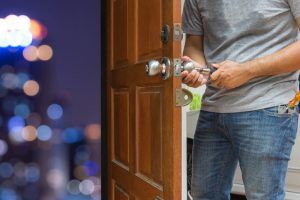
Installing a smart lock can be straightforward, but it is important to follow the manufacturer’s instructions carefully. Begin by removing your existing lock and ensuring the new smart lock components fit properly.
Most smart locks come with detailed installation guides and necessary hardware. If you are unsure about the installation process, consider hiring a professional locksmith to ensure a secure and proper fit.
Maintenance of smart locks involves regular checks and updates. Keep the lock and any associated software up to date to benefit from the latest security patches and features.
Regularly check battery levels and replace batteries as needed to avoid sudden lockouts. It is also advisable to clean the lock’s external components and ensure the keypads or biometric sensors are free from dirt and grime.
Troubleshooting common issues, such as connectivity problems or mechanical malfunctions, should also be part of your maintenance routine. Consulting the user manual or contacting customer support can help resolve any persistent issues and keep your smart lock functioning smoothly.
Conclusion
In summary, smart locks represent a significant leap forward in home security, offering enhanced convenience, flexibility, and peace of mind.
By eliminating the need for physical keys and enabling remote access and monitoring, smart locks provide a modern solution to traditional security challenges. They are an excellent investment for homeowners seeking to upgrade their security systems and embrace the benefits of smart home technology.
If you are considering upgrading to a smart lock, now is the perfect time to explore the options available and find a model that suits your needs. With the right smart lock, you can enjoy improved security, greater control over access to your home, and the convenience of managing your locks from anywhere.
For professional advice and installation assistance, do not hesitate to contact a reputable locksmith service like ADP Locksmith.