
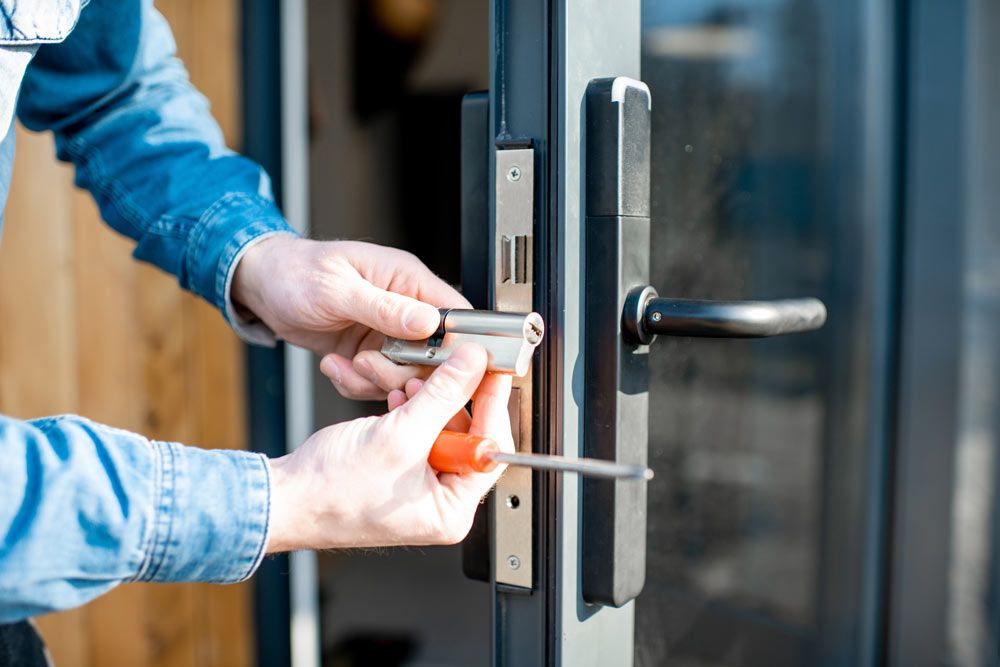
When it comes to securing your home or business, one of the most important decisions you’ll face is whether to rekey or replace your locks. This choice often arises during key life events, such as moving into a new property, losing a set of keys, or wanting to upgrade your security system.
Both options are effective in enhancing your safety, but they cater to different situations and needs. Understanding the processes and benefits of each will help you make an informed decision.
Security is more than just a physical barrier—it’s about peace of mind. By choosing the right solution, you can feel confident knowing your property is protected.
Whether you’re looking for a cost-effective way to change access or seeking an advanced lock system, knowing when to rekey or replace can save you time, money, and worry.
et’s dive into the details of both processes to help you determine the best fit for your situation.
What Is Rekeying?
Rekeying a lock is a process where a locksmith modifies the internal components of a lock, specifically the pins inside the cylinder, to make it work with a new key. The old key will no longer function, ensuring that only the new key provides access.
This is an efficient way to regain control over who can enter your property without replacing the entire lock mechanism. It’s particularly useful when you’re satisfied with the current locks but need to restrict access for previous keyholders.
One of the biggest advantages of rekeying is its cost-effectiveness. Since the lock itself remains intact, only minor adjustments are needed, saving you the expense of buying new hardware.
Additionally, rekeying can simplify access by allowing multiple locks to be keyed alike, reducing the number of keys you need to carry. For homeowners or businesses looking for a quick and affordable security refresh, rekeying is often the ideal solution.
When to Consider Rekeying
There are specific scenarios where rekeying is the best course of action. If you’ve recently moved into a new home, for instance, it’s wise to rekey all locks to ensure no one else—like previous occupants or contractors—has access.
Similarly, if you’ve misplaced a key or lent it to someone who no longer requires access, rekeying eliminates the risk of unauthorised entry without replacing the locks themselves.
Another situation where rekeying proves invaluable is for businesses managing multiple entry points. By standardising locks to work with a single master key, property managers can streamline access for themselves and authorised personnel.
This option offers convenience and cost savings, making it an attractive choice for landlords and business owners alike.
What Is Lock Replacement?
Lock replacement involves removing the old lock entirely and installing a new one. This process is necessary when the existing lock is outdated, damaged, or no longer meets your security requirements.
Replacing locks also provides an opportunity to upgrade to modern technologies, such as smart locks or anti-snap mechanisms, offering a higher level of protection.
Unlike rekeying, lock replacement can drastically change the look, feel, and function of your locks. It’s not just about security—it can also be a way to enhance your property’s appearance.
For those looking to improve both safety and aesthetics, lock replacement offers the versatility to achieve both goals effectively.
When to Consider Replacing Locks
Lock replacement is essential when your current locks are worn out or malfunctioning. A broken lock compromises security and can lead to frustrating scenarios like getting locked out or struggling to secure your property.
Replacing such locks ensures a reliable and secure mechanism, giving you confidence in your property’s safety.
It’s also a good idea to replace locks if you’ve recently experienced a break-in or attempted burglary. Upgrading to high-security locks can deter future incidents and provide a much-needed sense of safety.
Moreover, lock replacement is the only way to implement these cutting-edge solutions if you’re considering advanced features such as keyless entry or fingerprint access.
Which Option Is Right for You?
Choosing between rekeying and replacing locks depends on your unique situation and needs. Rekeying is an excellent choice if your locks are still in good condition and you simply need to change access. It’s cost-effective, quick, and maintains the existing hardware while ensuring previous keys no longer work.
On the other hand, replacing locks is the better option when you’re dealing with damaged or outdated mechanisms or looking for a complete upgrade.
Advanced locks can provide enhanced security and modern conveniences, making them worth the investment for those prioritising safety and functionality.
Ultimately, consulting a professional locksmith can help you determine the best approach for your property.
Conclusion
Securing your property is a critical step in protecting your assets and loved ones. Whether you rekey or replace your locks, both options offer significant advantages depending on your circumstances.
Taking action promptly ensures that your property remains safe and secure.
For expert guidance, ADP Locksmith provides a range of professional services tailored to your security needs.
From affordable rekeying solutions to installing state-of-the-art locks, our team is here to help. Contact us today for a consultation and take the first step towards peace of mind!