Locks are an essential component of security, protecting our homes, businesses, and personal belongings from unauthorised access. There are various types of locks available, each designed for specific purposes and offering different levels of security. Understanding the most common types of locks and their uses can help you choose the right lock for your needs. Here’s a detailed guide on the most prevalent types of locks and where they are best utilised.
1. Deadbolt Locks
Deadbolt locks are one of the most common and secure types of locks used for residential and commercial properties. They are known for their robustness and resistance to forced entry.
Types of Deadbolts:
- Single Cylinder Deadbolt: Operated with a key from the outside and a thumb turn from the inside. Ideal for doors without glass panels.
- Double Cylinder Deadbolt: Requires a key to operate from both the outside and inside. Best for doors with glass panels to prevent a burglar from breaking the glass and turning the thumb turn from the inside.
- Keyless Deadbolt: Uses a keypad or electronic system for entry. Convenient for keyless access and offers enhanced security features.
Uses:
- Exterior doors of homes and businesses
- Garage doors
- Any entrance where enhanced security is needed
2. Knob Locks
Knob locks are commonly found on residential doors and are often used in conjunction with deadbolts for added security. The lock cylinder is located within the knob itself.
Features:
- Ease of Use: Simple to operate with a key or thumb turn.
- Built-in Locking Mechanism: Located inside the knob.
Uses:
- Interior doors such as bedrooms and bathrooms
- Secondary lock on exterior doors (in combination with a deadbolt)
3. Lever Handle Locks
Lever handle locks are typically used for interior doors in commercial buildings. They are easier to operate than knob locks, making them a popular choice for accessibility reasons.
Features:
- Lever Design: Allows for easy opening, ideal for the elderly or disabled.
- Locking Mechanism: Can be locked with a key or push button.
Uses:
- Office doors
- Commercial building interiors
- Residential interior doors where accessibility is a concern
4. Cam Locks
Cam locks are simple, versatile locks often used in furniture and cabinetry. They are named for the cam, a flat metal piece, that rotates to lock or unlock.
Features:
- Simple Mechanism: Operates with a key to rotate the cam.
- Variety of Sizes: Available in different lengths and diameters.
Uses:
- File cabinets
- Mailboxes
- Storage cabinets
- Display cases
5. Padlocks
Padlocks are portable locks that can be used on a variety of items and are easily recognisable by their U-shaped shackle.
Types of Padlocks:
- Combination Padlocks: Use a rotating dial or number pad to enter a combination.
- Keyed Padlocks: Operate with a key to unlock.
- Bluetooth Padlocks: Use a smartphone app for keyless entry and added security features.
Uses:
- Lockers
- Gates
- Storage units
- Bikes
6. Mortise Locks
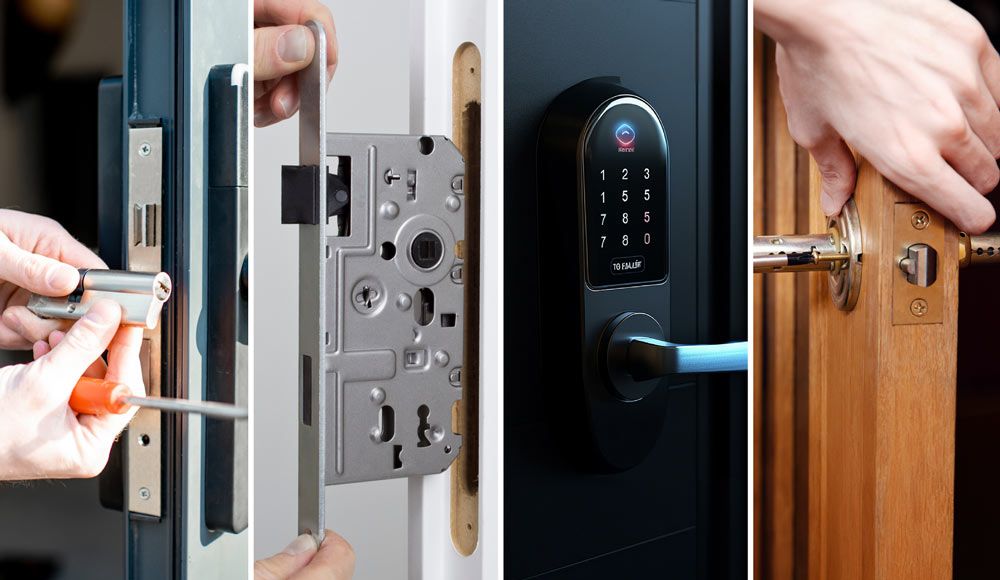
Mortise locks are high-security locks that are installed into a mortise (a pocket) cut into the edge of a door. They are known for their durability and strength.
Features:
- Complex Mechanism: Includes a lock body, lever, and spindle.
- Durable Construction: Built to withstand heavy use and provide enhanced security.
Uses:
- Commercial doors
- High-security residential doors
- Institutional buildings
7. Rim Locks
Rim locks are surface-mounted locks typically used on older or historic buildings. They are mounted on the surface of the door and use a rim cylinder.
Features:
- Surface Mounting: Mounted on the door’s surface, rather than recessed.
- Traditional Design: Often found in older or period properties.
Uses:
- Historic homes
- Secondary security on exterior doors
8. Euro Cylinder Locks
Euro cylinder locks are commonly used in Europe and are becoming more popular worldwide due to their security and versatility. They are easily replaceable and can be keyed alike for convenience.
Features:
- Modular Design: The cylinder can be easily replaced without changing the entire lock.
- Versatility: Available in various lengths and security grades.
Uses:
- UPVC doors
- Patio doors
- Multi-point locking systems
9. Smart Locks
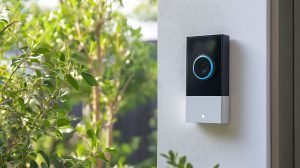
Smart locks are advanced electronic locks that can be controlled via smartphones, keypads, or biometric systems. They offer convenience and high-tech security features.
Features:
- Remote Access: Control the lock from anywhere using a smartphone app.
- Biometric Entry: Some smart locks use fingerprint recognition for added security.
- Integration: Can be integrated with home automation systems.
Uses:
- Front doors of smart homes
- Offices requiring advanced access control
- Vacation rentals for remote guest management
10. Electronic Keypad Locks
Electronic keypad locks use a numeric keypad for entry, eliminating the need for physical keys. They are ideal for both residential and commercial use.
Features:
- Keyless Entry: Enter a code to unlock the door.
- Changeable Codes: Easily change the access code as needed.
- Battery Powered: Most models are powered by batteries, with low-battery indicators.
Uses:
- Office doors
- Residential front doors
- Rental properties
Conclusion
Understanding the different types of locks and their specific uses is crucial for ensuring the security of your property. From the robust deadbolt lock for exterior doors to the convenient smart lock for modern homes, each type of lock serves a unique purpose and offers varying levels of security.
When selecting a lock, consider the specific needs of your property, the level of security required, and the ease of use. Regular maintenance and appropriate installation are also key to maximising the effectiveness of your locks. By choosing the right locks and using them correctly, you can significantly enhance the security of your home or business, providing peace of mind and protecting your valuable assets.