Locks are essential components of our daily security, safeguarding our homes, offices, and personal belongings. Just like any other mechanical device, locks require regular maintenance to ensure they function correctly and provide the highest level of security. Proper maintenance can extend the life of your locks and prevent costly repairs or replacements. Here’s a comprehensive guide on how to maintain your locks to ensure their longevity and security.
1. Regular Cleaning
Locks are exposed to dust, dirt, and other environmental elements that can accumulate over time, affecting their performance. Regular cleaning is crucial to keep them functioning smoothly.
Steps to Clean Your Locks:
- Exterior Cleaning: Wipe the exterior of the lock with a soft, damp cloth to remove surface dirt and grime. Avoid using abrasive materials that could scratch the lock’s finish.
- Interior Cleaning: Use a compressed air canister to blow out any dust or debris inside the keyhole. This helps prevent blockages that could interfere with the lock mechanism.
2. Lubrication
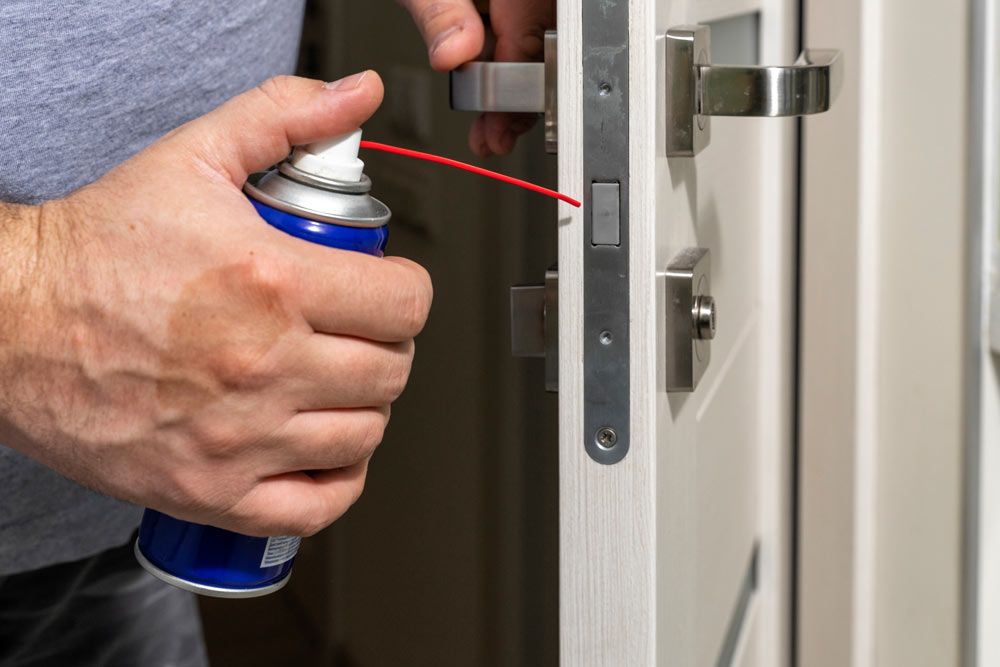
Lubrication is essential for keeping the internal components of your locks moving smoothly. However, it’s important to use the right type of lubricant to avoid attracting more dirt.
Recommended Lubricants:
- Graphite Powder: Ideal for most lock types, graphite powder doesn’t attract dust and dirt like oil-based lubricants.
- Teflon-based Lubricants: These are also effective and can be found in most hardware stores.
Lubrication Process:
- Insert the lubricant nozzle into the keyhole.
- Apply a small amount of lubricant.
- Insert the key and turn it several times to distribute the lubricant evenly throughout the lock mechanism.
3. Inspect for Wear and Tear
Regular inspections can help you identify signs of wear and tear before they become major issues. Check your locks periodically for any visible damage or operational issues.
What to Look For:
- Rust or Corrosion: This can weaken the lock and make it easier to break.
- Difficulty Turning the Key: This could indicate internal damage or debris buildup.
- Loose Parts: Ensure that all screws and other components are tight and secure.
4. Rekeying and Replacement
Sometimes, cleaning and lubrication are not enough to maintain the security and functionality of your locks. In such cases, rekeying or replacing the lock might be necessary.
Rekeying:
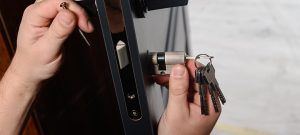
Rekeying involves changing the internal pins of the lock so that it works with a new key. This is a cost-effective way to maintain security, especially if you’ve lost a key or moved into a new home.
Replacement:
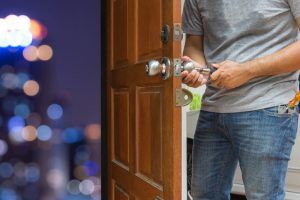
If a lock is severely damaged or outdated, replacement is the best option. Consider upgrading to high-security locks for better protection.
5. Weatherproofing
Locks exposed to the elements can suffer from weather-related damage. Taking steps to weatherproof your locks can significantly extend their lifespan.
Tips for Weatherproofing:
- Protective Covers: Use covers to shield outdoor locks from rain, snow, and direct sunlight.
- Rust-resistant Locks: Install locks made of rust-resistant materials like stainless steel or brass for outdoor use.
6. Avoid Excessive Force
Using excessive force to turn the key or open a lock can cause internal damage. If a lock is difficult to turn, address the issue with cleaning and lubrication rather than forcing it.
Key Tips:
- Gentle Turning: Always turn the key gently and avoid wiggling or twisting it forcefully.
- Proper Key Insertion: Ensure the key is fully inserted before turning to prevent damage to the internal pins.
7. Duplicate Keys
Using worn-out or improperly cut duplicate keys can damage your locks over time. Ensure that any duplicates are made by professional locksmiths and are accurate copies of the original.
Key Management:
- Limit Duplicates: Only make duplicate keys when necessary and keep track of all copies.
- Inspect Keys: Regularly check your keys for wear and replace them if they show signs of damage.
8. Security Enhancements
Regular maintenance is essential, but you can also enhance the security of your locks with additional measures.
Additional Security Tips:
- Deadbolt Installation: Adding a deadbolt to your door increases security.
- Strike Plate Reinforcement: Use longer screws to secure the strike plate to the door frame, making it harder to force the door open.
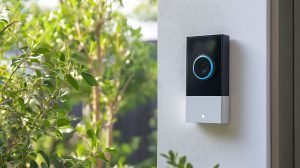
- Smart Locks: Consider upgrading to smart locks that offer advanced security features and remote access.
9. Professional Maintenance
While regular DIY maintenance is important, professional locksmiths have the expertise to identify and fix issues that you might overlook. Schedule annual inspections with a professional locksmith to ensure your locks are in top condition.
Benefits of Professional Maintenance:
- Thorough Inspection: Professionals can identify hidden issues and provide solutions.
- Expert Repairs: Locksmiths have the tools and skills to perform precise repairs.
- Security Advice: Get recommendations on the latest security upgrades and best practices.
Conclusion
Maintaining your locks is crucial for ensuring their longevity and the security of your property. Regular cleaning, proper lubrication, and periodic inspections can keep your locks functioning smoothly and prevent potential security breaches. Remember to avoid excessive force, use high-quality duplicate keys, and consider professional maintenance to address more complex issues.
By following these tips, you can extend the life of your locks and maintain a secure environment for your home or business. A well-maintained lock not only provides peace of mind but also saves you from the inconvenience and cost of unexpected lockouts and repairs. Make lock maintenance a part of your regular home care routine, and you’ll enjoy reliable security for years to come.