Garages and outbuildings often contain valuable tools, vehicles, and equipment, making them attractive targets for burglars. Despite this, these structures are often overlooked when it comes to home security measures.
Ensuring these spaces are properly secured is crucial in protecting not only the items stored within but also the overall safety of your home.
Choosing the right locks for these spaces is the first line of defence. With so many different lock types available, selecting the best option can seem overwhelming.
This guide will break down the key considerations when selecting locks for your garage and outbuildings, helping you make an informed decision to keep your property secure.
Understanding Different Types of Locks
There are several types of locks suitable for garages and outbuildings, each with its strengths. Padlocks are one of the most common choices due to their versatility and ease of use.
They come in various sizes and strengths, with options like shrouded shackle padlocks offering increased resistance to cutting or prying. Weather-resistant models are also a must if the lock is exposed to the elements.
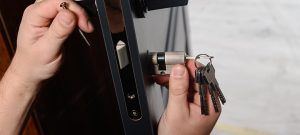
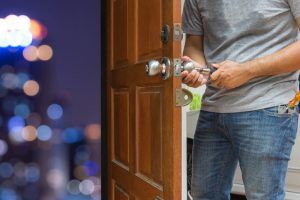
Another solid option is the deadbolt lock, particularly for garage side doors or access points with standard door frames. Deadbolts provide excellent security as they penetrate deeply into the doorframe, making forced entry difficult.
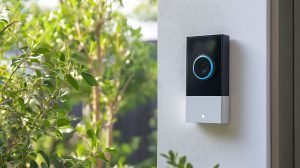
Smart locks are an increasingly popular choice for those who prefer modern solutions. These can be controlled via smartphone, providing remote access and monitoring, which adds a layer of convenience and security.
Key Factors to Consider When Choosing Locks
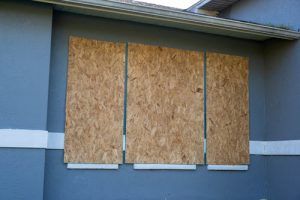
Material and durability are key factors when selecting the right lock for your outbuildings. Opt for locks made from hardened steel or brass, as these materials are highly resistant to tampering and cutting.
Choosing locks designed to withstand harsh weather conditions is also essential, especially for outdoor sheds and garages. Rust-resistant locks will ensure long-term performance and prevent malfunction due to corrosion.
Ease of use is another crucial consideration, particularly for structures you access frequently. While heavy-duty locks may offer greater security, they should not be too cumbersome or difficult to operate daily.
Strike a balance between convenience and security, ensuring the lock mechanism is simple yet robust enough to deter potential intruders.
Specific Recommendations Based on Building Type
For garages, it’s important to secure not only the main door but also any side entrances. For up-and-over garage doors, you may want to consider a combination of a strong central locking mechanism and additional padlocks on either side.
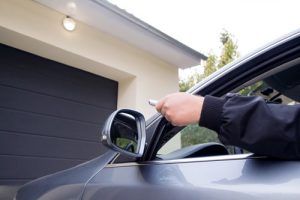
Side access points should be secured with deadbolts or smart locks to prevent easy entry. For those with automatic garage doors, ensure that the locking mechanism is resistant to being bypassed electronically.
When it comes to sheds and other outbuildings, padlocks are often the go-to choice. However, it’s worth investing in a high-quality padlock with features like anti-shim technology. For added security, anchor the lock to a hardened hasp and staple that is securely fixed to the building.
If the outbuilding houses expensive equipment, consider using more advanced security measures, such as alarmed padlocks or locks integrated with a security system.
Additional Security Features
In addition to choosing the right lock, it’s important to think about the overall security of your outbuildings. Reinforcing doors can significantly enhance protection, as even the best locks won’t help if the door itself is weak.
Fit metal reinforcements to door frames and install heavy-duty hinges to prevent forced entry through weak points. Consider adding bars or grilles to any windows to stop burglars from bypassing the door altogether.
Integrating your locks with an alarm system is another excellent way to increase security. Many modern smart locks can be linked to home security systems, sending notifications to your phone when they are tampered with or opened.
Motion sensor lighting around the perimeter of your garage or outbuilding can also deter potential intruders by making it more difficult for them to operate unnoticed.
Maintenance Tips for Long-Lasting Security
Like any piece of hardware, locks require regular maintenance to ensure they continue functioning properly. Periodically check your locks for signs of rust or damage, especially if they are exposed to the elements.
Lubricate the internal mechanisms of padlocks and deadbolts using graphite powder to prevent jamming and wear over time.
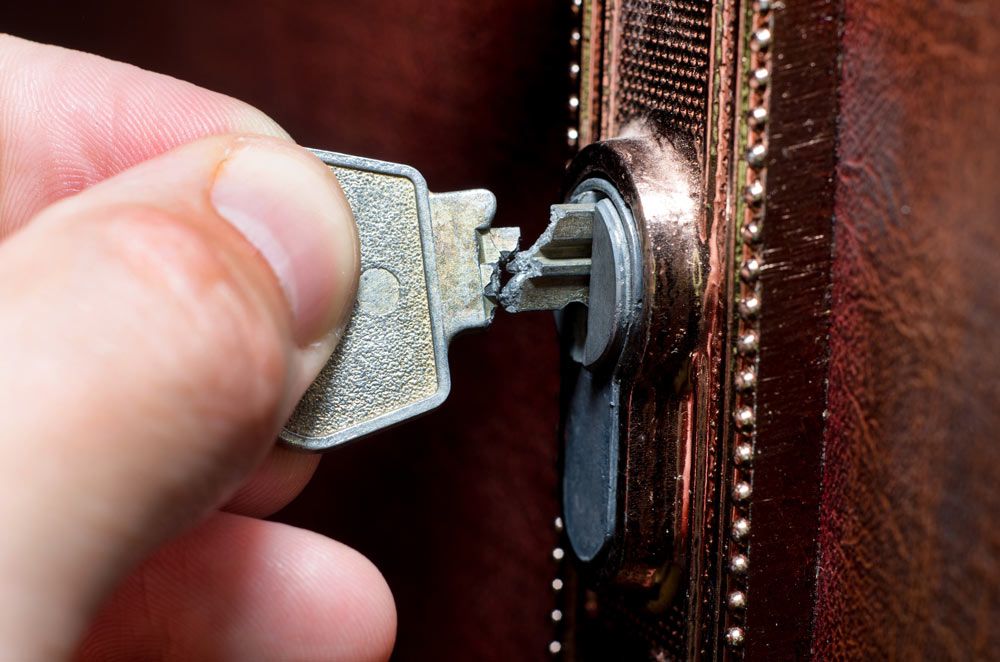
Additionally, if you notice any issues with the locks sticking or not operating as smoothly, it’s best to address the problem immediately.
This may involve tightening loose screws, replacing worn-out parts, or even upgrading the lock if it no longer meets your security needs.
Keeping your locks in good condition will extend their life and ensure your garage and outbuildings remain secure.
Conclusion
Securing your garage and outbuildings with the right locks is a crucial step in safeguarding your property. By understanding the types of locks available, considering key factors like durability and ease of use, and integrating additional security features, you can significantly reduce the risk of theft or unauthorised access.
If you’re unsure about the best lock for your specific needs, don’t hesitate to consult a professional locksmith.
They can provide expert advice tailored to your property and ensure that all entry points are secured with the appropriate locks.